
In September 2016, TikTok was first released in China under the name Douyin. A year later, in September of 2017, it was launched internationally as TikTok and became a global platform by August 2nd, 2018, after partnering with Musical.ly. Nearly 10 years later, TikTok has 1.9-2 billion monthly active users but still ranks fifth in overall social media rankings. Beyond its popularity, parents are understandably concerned about dangerous social-media challenges that can expose children and teenagers to serious harm. In 2020, it was taking an overdose of Benadryl to get “high,” or the “outlet challenge,” where teens would place a cell phone charger partially plugged in while causing a short circuit with a penny.
Key Points
- Dangerous social media challenges can appeal to teens because fitting in, curiosity, FOMO, and peer approval may feel more urgent in the moment than potential consequences.
- Parents can respond more effectively when they begin with compassion and curiosity rather than immediate judgment or punishment.
- Open conversations about what teens are seeing online can help parents understand the pressures their children face and create opportunities to teach discernment.
- Practical safety plans, including a code word or easy way to ask for help, can give teens an exit when they feel pressured or uncomfortable.
- Christian parents can combine wise boundaries with listening, relationship, prayer, and biblical guidance so teens learn to make thoughtful choices even when adults are not present.
Today, it’s microwaving gel stress toys, “fire-breathing” (manipulating flammable liquids or sprays near open flames to create visual effects for videos), “chroming” (inhaling dangerous compounds to cause hallucinatory effects), and the “blackout” or “scarf” challenge (choking yourself until you pass out). As these fads grow in popularity, the side effects only continue to worsen. According to WWBT, there have been over 100 deaths and 1,000s of ER visits caused by viral social media challenges. This list included the “blackout,” “Benadryl,” and “fire-breathing” challenges.
Most cases involved teens, but some included children as young as 10. WVUE Fox 8 adds that in some of the most severe cases, young adults have suffered from brain damage, third-degree burns, seizures, organ failure, and quadriplegia. The results are striking—TikTok trends can be dangerous with permanent side effects. But how should parents, teachers, and concerned individuals respond? As Christians, is “monitoring the phone” enough? If not, how can we teach wisdom and discernment so that they will make wise decisions when we aren’t present? Teens may participate in dangerous TikTok challenges because peer approval, curiosity, fear of missing out, and the development of impulse control can make an immediate social reward feel more important than a future consequence.
Why Do Teens Participate in Dangerous TikTok Challenges?
Teens may participate in dangerous online challenges because peer approval, novelty, curiosity, and developing self-regulation can make the immediate reward feel more compelling than the potential consequences. If we want to crack down on the risks posed by TikTok trends, the answer isn’t to ban phones or social media altogether. Although tempting, doing so may only further agitate teens into choosing to pursue risk-seeking behavior like the “blackout” or “fire-breathing” challenges that are offered. Instead, we need to seek to understand why kids do what they do. The age-old question isn’t just “why do teens do what harms them?” but “how can we as parents respond with compassion, empathy, and love?”
In Romans 7:15-20, Paul explains the push and pull between doing what we don’t want to do and not doing what we do want to do. Not only does this wrestling exist between our flesh and our spirit, but between children and parents, husbands and wives, and leaders and followers:
“I do not understand what I do. For what I want to do I do not do, but what I hate I do. And if I do what I do not want to do, I agree that the law is good. As it is, it is no longer I myself who do it, but it is sin living in me. For I know that good itself does not dwell in me, that is, in my sinful nature. For I have the desire to do what is good, but I cannot carry it out. For I do not do the good I want to do, but the evil I do not want to do—this I keep on doing. Now if I do what I do not want to do, it is no longer I who do it, but it is sin living in me that does it” (NIV).
What I love about this passage is that Paul isn’t pronouncing judgment on us for struggling—He’s bringing light to a problem that we all have. For your kids, it might be giving in to peer pressure or dangerous trends even if they know better. During adolescence, developing self-regulation and the heightened importance of peer relationships can make the immediate social reward feel more compelling than a distant consequence. For you, it might be staying silent at work when someone says something unkind to a co-worker instead of standing up for them because you fear for your job security. These two examples aren’t perfect, but the point is this: we all struggle with this tension, so who are we to judge?
Yes, as parents, grandparents, leaders, and those in positions of authority, we need to protect our kids. They need to know the serious consequences that can come from their actions. But we need to start by understanding where they’re coming from. This isn’t an excuse but rather an opportunity to listen and hear without responding.
Remember when you were a teen? I know I do, and it wasn’t fun. I constantly wanted to fit in, had a major fear of missing out (FOMO), and felt that if “everyone else was doing it,” it could make what was wrong right. To make matters worse, sometimes the wrong decision seemed fun, innocent, or appealing. Social media has a way of making everything look “right” in the eyes of those who see it. The reality is that we can’t help prevent our kids from making poor decisions if we don’t first understand them. And understanding them always starts with listening.
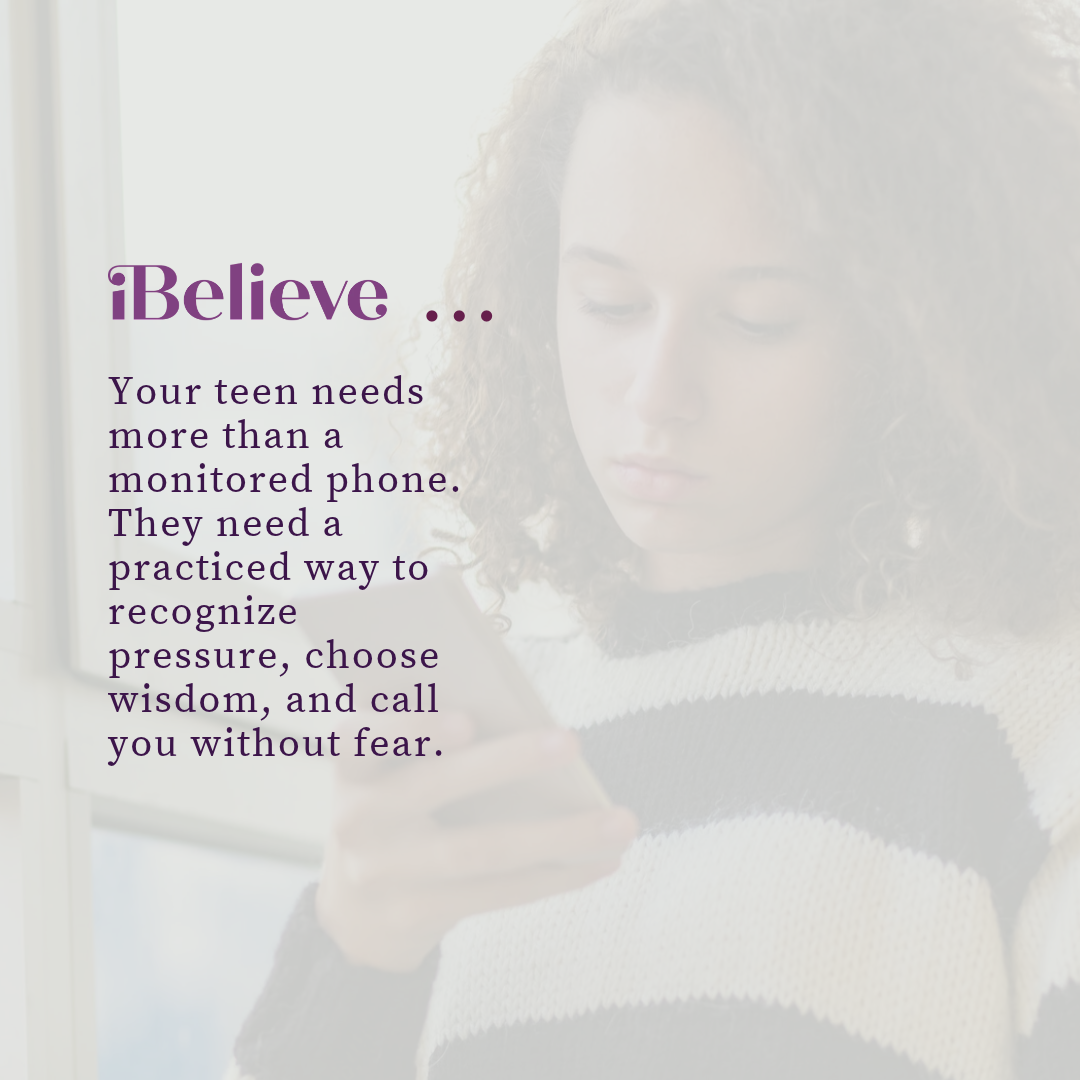
How Can Christian Parents Respond to Dangerous TikTok Challenges?
Christian parents can reduce risk by combining clear safety boundaries with calm, frequent conversations that teach teenagers how to evaluate online content for themselves.
- Start with Curiosity Instead of Accusation
Instead of beginning with judgmental or accusatory statements like, “I can’t believe you did that,” or “Why did you choose to act stupidly,” try framing your dialogue around curiosity and interest. For example, “What did you see on TikTok today?” or “What do you think about that trend?” The more you integrate these questions into daily conversations, the more comfortable your child may become discussing them with you. - Listen to Understand Before Responding
As a former teacher, this is always my number one tip for engaging with students. Everyone wants to be heard. When your child speaks to you, listen to hear, not respond. Though it can be tempting to formulate the perfect comeback or response while they are talking, remember to put yourself in their shoes. 9 times out of 10, students will tell you why they are doing something if we just take the time to pause, listen, and hear. - Create an Exit Plan Before Peer Pressure Strikes
Before peer pressure strikes, come up with a safety word, phrase, or action your child can use when they see something upsetting. If they are with their friends, set up a text or call to signal that something isn’t right. For example, when I was hanging out with a new group of friends, my mom knew that if I texted her a certain emoji, it meant I needed to call her ASAP with a reason why I was needed at home. - Share Safe Online Fun with Your Teen
While some TikTok trends are dangerous, others are just for fun. Remember that oftentimes, kids just want to have fun, so have fun with them. Ask them to teach you a silly dance or engage in a trend that's wholesome. Better yet, come up with your own! Not everything online is destructive or risky.
These four tips won’t solve every social media problem in your household, but they might just open the door to more open, honest, and effective conversations with your teen. We as parents, adults, and caring grown-ups don’t need to have all the answers, but we do need to care. And sometimes the best way you can care starts with learning to understand.
A Prayer for Parents Helping Teens Navigate Social Media
Dear Jesus,
As social media trends continue to grow and become increasingly dangerous, please help us understand how to respond. Show us how to have open and honest conversations with our kids, listen to hear rather than respond, and create an exit plan if they’re feeling uncomfortable in any given situation. Please allow us to lead with your wisdom, humility, knowledge, and kindness. We love, praise, and thank you, Jesus.
Amen.
Pray for Wisdom as You Guide Your Teen
Use this Scripture-centered prayer guide to seek God’s wisdom, release parental worry, and pray intentionally over the pressures your child faces. Download the 9 Prayers for Mothers Prayer Guide and begin praying for your teen’s wisdom, safety, and discernment today.
Frequently Asked Questions About Teens and Dangerous TikTok Challenges
- Why are teenagers more likely to copy dangerous social-media challenges?
Adolescents naturally place increasing importance on peer relationships and a sense of belonging. Curiosity, fear of exclusion, the promise of online attention, and the development of impulse control can make the immediate social reward appear more important than a possible future consequence. - Should Christian parents ban TikTok completely?
Some families may decide that TikTok is not appropriate for their teenager. Others may permit limited use with supervision and safety settings. Removing access can reduce exposure, but limits should be accompanied by conversations that teach discernment when parents are not present. - What age should a child be allowed to use social media?
There is no single age that guarantees readiness. Parents should consider the platform’s minimum-age requirement along with the child’s maturity, honesty, impulse control, mental health, and willingness to follow household safety rules. - What should I do if my teen attempts a dangerous online challenge?
Treat the situation as a safety concern before treating it as a disciplinary issue. Seek immediate medical assistance when ingestion, inhalation, choking, burns, loss of consciousness, or another injury may be involved. Once the child is safe, discuss what happened, identify the pressures behind the decision, and revise the family’s digital safety plan.
For Further Reading
- How to Help Your Child Deal with Peer Pressure as a Christian
- Navigating Social Media with Teens
- Helping Your Teen Achieve Spiritual Balance
- Navigating Social Media with a Christian Perspective
- 9 Tips for Christian Parents of Teenagers
Photo Credit: ©GettyImages/Drazen Zigic

SHARE


