
We all face moments when our world spins and our hearts race. Being still is the last thing we feel. Yet I’ve learned five ways to apply Psalm 46:10 when fear and uncertainty make it difficult to trust God.
What Does Be Still and Know Mean in Psalm 46:10?
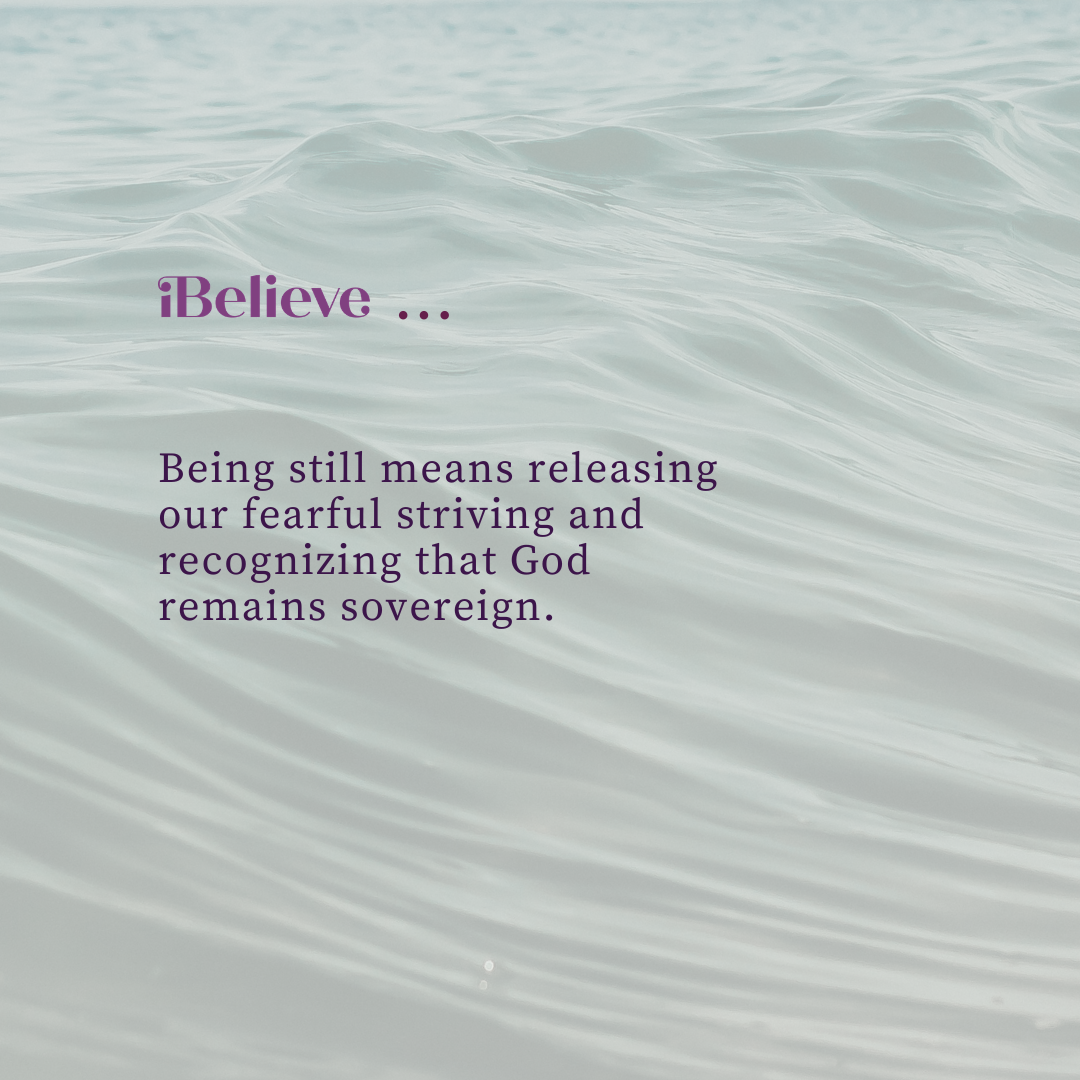
“Be still and know that I am God” calls people to stop striving and recognize God’s sovereign authority even when the world around them feels unstable. The Hebrew word translated “still” in Psalm 46:10 is raphah, which can convey the idea of letting go, ceasing, or releasing one’s grip. Often, this is the last thing we want to do when the world is spinning, and we feel like we have no control over a situation. In its original context, Psalm 46 describes upheaval, conflict, and threatening nations while declaring that God is His people’s refuge. “Be still” is therefore more than an invitation to become quiet; it is a command to cease striving, recognize God’s sovereign authority, and trust that He will be exalted.
For example, one Sunday morning after church, I saw voicemails waiting for me, and panic began to set in. Knowing my son was on a mission trip 1500 miles away, I imagined the worst, and the voicemails confirmed my fears - my son had had an accident while using a sharp object and was on his way to the emergency room. Should I race to the airport and catch the next flight? Should I contact the hospital? How bad was it? Question after question invaded my thoughts. I had no clue, no direction. What I needed most in that moment was to understand the true meaning of the words, “Be still and know that I am God” (Psalm 46:10).
When we can’t control a situation we’re facing, fear takes over. We need the peace of knowing God works on our behalf at all times. Deuteronomy 7:9 says, “...the Lord your God is indeed God.” So how do we learn to “be still and know” this in the face of our biggest battles?
Mary, Lazarus’ sister, learned the meaning of these words through a difficult time in her life. From her story, we, too, can learn to replace the panic in our hearts with trust in our Creator. We can fully grasp what God means when He tells us, “Be still and know that I am God.”
Here are 5 ways we can practice Psalm 46:10:
Photo Credit: ©GettyImages/IuliiaPilipeichenko

1. Run to Jesus When Fear Takes Over
“Then she [Martha] returned to Mary. She called Mary aside from the mourners and told her, ‘The Teacher is here and wants to see you.’ So Mary immediately went to him.” - John 11:28-29
At some point in our lives, we will all experience the pain of loss. So we understand the deep suffering Mary and Martha felt that day. The two sisters mourned over the tragic passing of their brother Lazarus, who happened to be one of Jesus’ dearest friends. When Jesus came to see them, Martha ran out to meet Him, but Mary stayed home.
Scripture doesn’t give a clear reason for Mary’s actions. Could it be that in her suffering, she couldn’t stop mourning? Did she think it was too late for Jesus to make a difference anyway? Or maybe she didn’t know, as Martha did, that Jesus approached.
Whatever the reason, we know this for certain: when Martha told Mary that Jesus wanted to see her, she went to Him immediately. In the midst of her mourning, she still held on to hope. We won’t always know the outcome of the challenges we face. Our frazzled minds can chase unknowns, leaving us empty and without hope. It’s important in those times to remind ourselves what we do know: “And since we know He hears us, when we make requests, we also know that He will give us what we ask for” (1 John 5:15).
We know God is in control. We know He hears our prayers. And we know He answers, even when it’s not in the way we want or expect. Running straight to Christ, as Mary did, will help us hold onto the hope that can only be found through our relationship with Him.
Photo Credit: ©Getty Images/MarioGuti

2. Trust God with What You Cannot Control
“When Mary arrived and saw Jesus, she fell at his feet and said, ‘Lord, if only you had been here, my brother would not have died.’” (John 11:32)
I’m a master at playing the ‘if only’ game. “If only I’d chosen the other road, then I wouldn’t be in this mess. If only you’d told me that sooner, then we wouldn’t be having this problem. If only, if only, if only…” The problem with the ‘if only’ trap is this: even though we may believe who God is, it reveals that we don’t trust what He can do.
Mary fell into the ‘if only’ trap when she saw Jesus that day. Her sorrow hadn’t subsided, and all that emotion poured out: “If only you’d been here…”
Mary’s words indicate she knew Jesus was capable of healing Lazarus. She even believed it would’ve happened if Jesus had been with them. So why didn’t she trust enough to believe He could still answer her? Why is it so hard for us to trust God in our most difficult circumstances? Exodus 14:14 reminds us of God’s desire to receive our burdens and fight our battles for us: “The Lord will fight for you; you need only to be still.”
But in those times when darkness seems to envelop us, we wrestle with giving control to the only one with the power to bring us through it. Being still and knowing He is God means moving to a new level of trust—a level that will challenge our faith in remarkable ways. When we push aside the ‘if onlys’ and decide to trust, we will experience His unfailing love like never before.
Photo Credit: ©Getty Images/EmilyNorton

3. Find Peace When You Cannot Understand God’s Ways
“Many of the people who were with Mary believed in Jesus when they saw this happen.” - John 11:45
When we’re right smack in the middle of our deepest hurt, we may not be able to see God at work. In fact, many good things will be hidden from us until we return home to heaven. It’s also difficult for our human minds to conceive that God could have a bigger plan, especially in such sorrow. But he does. He always does.
“I wait quietly before God, for my victory comes from Him.” - Psalm 62:1
Mary didn’t feel victorious in those days following her brother’s death. Mourning has a way of drawing out all the ‘why’ questions from our hearts. Why did this have to happen? Why me? Why now?
She likely didn’t pay much attention to the mourners surrounding her. They came for comfort and support through her grief. Maybe she didn’t realize many of them were unbelievers. But Jesus had a plan to turn their grief into something beautiful—a moment that would change their lives forever. Mary’s tragedy became the catalyst for many people to believe in Christ.
“As the heavens are higher than the earth, so are my ways higher than your ways.” - Isaiah 55:9
When we don’t understand what’s happening and sadness clouds our vision of God’s plan, we can be at peace, understanding He is a God of goodness and mercy.
Photo Credit: ©Getty Images/Tinnakorn Jorruang

4. Rest in God’s Presence and Receive His Love
“Then Mary took a twelve-ounce jar of expensive perfume made from essence of nard, and she anointed Jesus’ feet with it, wiping his feet with her hair.” - John 12:3
Soon after raising Lazarus from the dead so that all the people standing around would believe, Jesus left Jerusalem. Jewish leaders plotted to kill Him. But with the Passover celebration soon approaching, Jesus went to Lazarus’ home for a dinner held in His honor. During the meal, Mary displayed one of the most heartfelt gestures in all of Scripture. Her dedication to her Savior can hardly be described in words.
The Expositor’s Bible Commentary puts it this way: “She presented it as an offering of love and gratitude, prompted by Jesus' restoration of her brother to the family circle. Wiping his feet with her hair was a gesture of utmost devotion and reverence.” Mary’s unexpected action showed a thankful heart for what Jesus did and adoration for who He was. Embarrassment didn’t hold her back. Neither did shame. She poured out her love for all to see.
When we experience the forgiveness only Jesus offers, the feeling can be overwhelming. Like Mary, we find unconditional love by simply being in His presence. Through watching Jesus work miraculously in her life, Mary could now grasp the depth of His love for her. She also learned that by being still in His presence, she would know God in a new, intimate way.
Photo Credit: ©GettyImages/Simon Lehmann

5. Remember That God Is with You in the Difficulty
God gave us a precious gift in these words, “Be still and know that I am God.” He knew we would have a tough time accepting this gift, so He patiently teaches us how to “be still and know” through the difficulties we face every day. When my son needed help so far away from home, I knew I couldn’t be there. I needed these words, this promise, more than ever. We both survived his emergency room visit, stitches, 30-hour car ride home, and eventual surgery.
Looking back on that time helps me see the beauty of those living words. It’s hard to be still. It’s hard to trust. But fully comprehending this command from our heavenly Father is life-changing. Psalm 37:7 reassures us, “Be still in the presence of the Lord.” We can rest, be calm, be untroubled, and be at peace knowing that when troubles threaten to overtake us, God’s presence surrounds us.
Frequently Asked Questions about Psalm 46:10
- What does “be still and know that I am God” mean?
“Be still and know that I am God” means to cease striving and recognize God’s sovereign authority. In Psalm 46, this command is given amid turmoil and conflict, reminding people that God alone will be exalted. - Does “be still” mean Christians should do nothing?
No. Being still does not necessarily mean becoming physically inactive or refusing to respond to a problem. It means releasing fearful striving, recognizing our limits, and trusting God as our refuge. - How can I be still when I feel afraid?
You can be still by bringing your fear honestly to God, remembering His character, praying for wisdom, focusing on what is true, and taking the next responsible step without trying to control every outcome. - How does Mary’s story relate to Psalm 46:10?
Mary’s story illustrates how grief and unanswered questions can coexist with faith. Although John 11 is not an explanation of Psalm 46:10, Mary’s response can help readers consider what it looks like to bring pain directly to Jesus. - Does being still mean God will answer my prayer as I expect?
No. God hears prayers offered according to His will, but His answer may differ from what we request or expect. Being still means trusting His character even when the outcome remains uncertain.
For Further Reading
- Your Daily Verse - Psalm 46:10
- 8 Ways to Practice Stillness in God’s Presence
- 10 Healthy Habits to Help You to Live out “Be Still” in Psalm 46
- How to Be Still before God in a Restless Culture
- 28 Bible Verses about Trusting God
Keep God’s Peace Close
Carry the encouragement a little further with 10 calming Psalms you can return to when worry, stress, or uncertainty starts to feel loud.
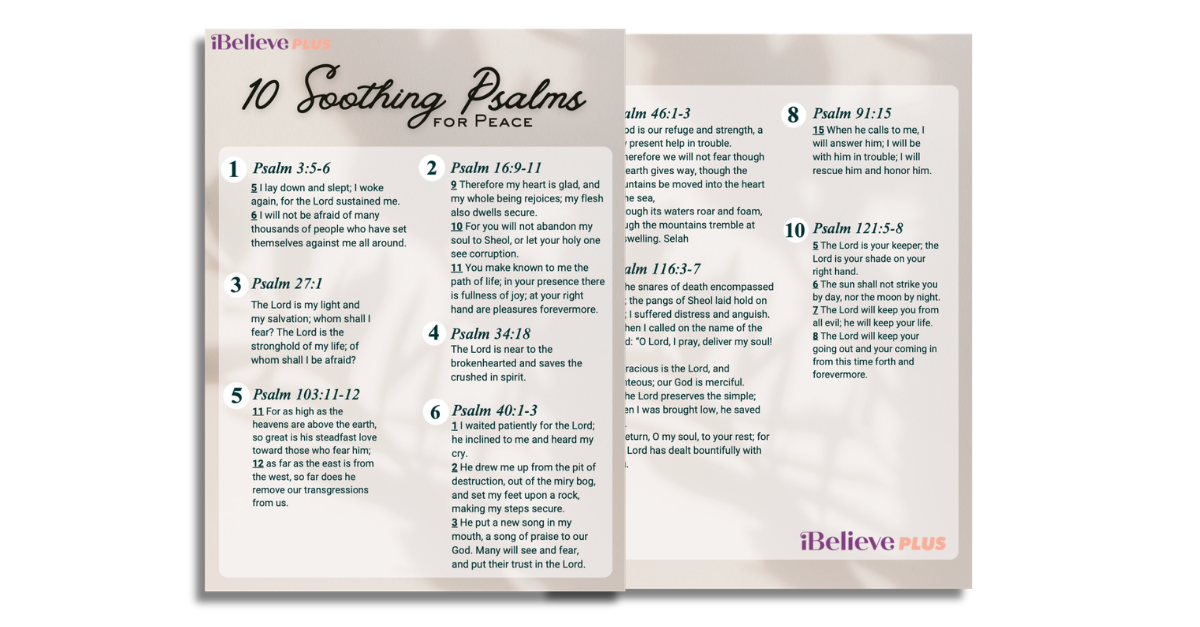
Download the printable and place these Psalms somewhere you’ll see them often.
Photo Credit: ©iStock/Getty Images Plus/Vinco Computer / EyeEm
SHARE


Originally published Friday, 04 September 2026.


