Key Points
- Communion is a sacred practice instituted by Jesus to help believers remember His body, blood, sacrifice, and promised return.
- The Lord’s Supper is rooted in the Passover meal, where Jesus gave new meaning to the bread and wine through His death and redemption.
- Christians understand Christ’s presence in communion in different ways, including transubstantiation, consubstantiation, memorialism, and spiritual presence.
- Communion is both personal and communal, calling believers to worship, remember, proclaim, and share unity as the body of Christ.
- Scripture calls believers to approach communion with humility, self-examination, confession, reverence, and obedience.
What Does Scripture Say about Communion?
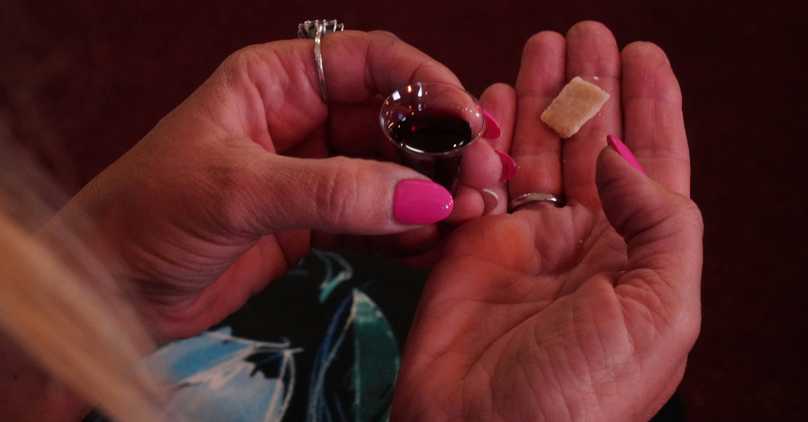
Scripture teaches that communion is a sacred remembrance of Christ’s body and blood, a proclamation of His death, and a call for believers to examine themselves and worship together in humility. The Lord’s Supper, or Holy Communion, has been a central part of worship for the believer since the beginning of Christianity. Initiated by Jesus on the night before his death, this practice allows partakers to remember and reflect upon Christ’s sacrifice. Yet, not all believers have the same understanding of this sacred tradition. Below is an overview of some interpretations of Scripture concerning Holy Communion and ten biblical principles. Let's dive into some Scripture about communion. At its heart, communion is a Christ-centered practice that calls believers to remember Jesus’ sacrifice, proclaim His death until He comes, examine their hearts, and worship together as one body.
What Is the Biblical History of Communion?
Jesus instituted the practice of communion in the Upper Room, as part of the Passover feast, the night before his arrest. The Passover meal was the Jewish remembrance of God’s deliverance of His people from Egypt during the Exodus. Each element carefully told the story. Yet, in this celebration meal, Jesus brings new meaning.
The unleavened bread, or Bread of Affliction, represented the transition from slavery to freedom. The wine represented the deliverance promises of God stated in Exodus 6:6-7. In the Last Supper, Jesus brought new meaning to the elements. He explained to the disciples that through his body and blood, mankind would find redemption and deliverance. Therefore, a new pattern of gathering and remembrance should be observed (Luke 22:19-20).
After Jesus’ death and resurrection, we see the early church gathering together practicing “the breaking of the bread or the table of the Lord.” Many scholars believe this was the practice of remembering Christ’s words and actions in the Upper Room through regular main-meal gatherings, symbolically sharing bread and wine.
By the time Paul writes 1 Corinthians, the practice of table fellowship and communion was a regular part of worship for the early church. He writes in 1 Corinthians 11 that some believers had already begun the malpractice of the Lord’s Supper by making the meal about themselves rather than Christ. The Lord’s Supper highlighted the division amongst the community of believers, indicating the difference between the rich and the poor.
Some used the meal to satisfy their physical longings rather than their spiritual needs. Paul therefore reminds them of Christ’s institution in 1 Corinthians 11:23-26 and rebukes their behavior, stating that anyone who comes to the table in an unworthy manner will be guilty before the Lord. Therefore, it is necessary to examine ourselves before we partake of the holy sacraments (1 Corinthians 11:27-29).

Photo credit: ©Getty Images
How Do Churches Understand Communion Today?
Presently, the Lord’s Supper is practiced in a variety of ways, depending upon the denomination. Generally, there are three theological beliefs by which a church understands the Presence of Christ within the elements of communion.
- Transubstantiation – the belief held by many in the Roman Catholic tradition that the elements of the Eucharist become the body and blood of Christ at the time of consecration. It is only the appearance of bread and wine that remains.
- Consubstantiation – This is the theological view that Jesus’ presence coexists in and surrounds the consecrated elements of communion. There is no change within the elements themselves, but when we partake in communion, we experience Christ’s presence. This view is held by many Lutheran churches.
- The Symbolic View (Memorialism) – This view holds that the bread and wine in communion are symbolic representatives of Christ’s body and blood. The Lord’s Supper is used in worship as a reminder to believers of his suffering and his victory over death in the resurrection.
- The Spiritual Presence (Receptionism) – John Calvin explained his view of the Eucharist in his Theological Institutes. He viewed the bread and wine as physical elements where Christ is spiritually present. Communion strengthens a believer’s union with Christ, as the elements seal His promises in a bond of love.
How Often Should Christians Take Communion?
Various denominations practice communion at different times. Some receive the elements weekly. Others only two to four times a year. So, is it mandated in Scripture how often we are to gather at the Lord’s table?
There is no clear answer in Scripture about how often believers are to practice communion. However, when Paul recounts Jesus’ teaching in the Upper Room, it is clear that his command to practice this act of remembrance is continual, not a one-time event. The participation in the Lord’s Supper not only serves as a remembrance of Christ’s sacrifice, but it is also a hopeful proclamation of his death until he returns (1 Corinthians 11:26). Communion also provides believers with spiritual renewal and, therefore, should not be neglected as a part of Christian practice.
What Is the Purpose of Communion?
For many, communion is a central part of the worship experience because it deepens a person’s relationship with Christ by allowing them to remember and partake in his sacrifice for them. For some, communion is a symbol of remembrance of Christ’s body and blood. For others, there is a deeper understanding of Christ’s presence and unity within the elements. Below is a brief description of the meaning of the various views regarding Christ’s presence within the elements.

Photo credit: ©SparrowStock
10 Biblical Truths about Communion
1. Communion is a practice instituted by Christ to help believers remember His sacrificial death. Jesus took part in the Passover feast and brought new meaning to the Exodus story.
2. A purpose of communion is to also help believers connect with Jesus and his sacrificial offering on the cross. There is an element of mystery within the Lord’s Supper. Many theologians have tried to explain the mystery. But we know that Christ gave his believers the elements of bread and wine as a way to connect with him.
3. Communion is meant to be a personal experience of unity and fellowship with Christ. In the Upper Room, Jesus wanted his disciples to personally partake in and fellowship with his suffering. As believers today, when we participate at the Lord’s table, we reflect and remember that he died for us and through him, we are able to experience peace with God.
4. Communion is an important part of communal worship. The Lord’s Supper is meant to be both a personal and a communal experience. As a church body, we celebrate, proclaim, and remember the acts of Jesus together, just as we should share in each other’s victories and sufferings.
5. Communion is sacred and consecrated. We often forget the holiness of communion. It is not simply a practice where we receive a morsel of bread and a sip of juice. It is a time for us to draw closer to our Lord and Savior through the simple elements.
6. Communion is a time for reflection and involves confession. As Paul writes in 1 Corinthians, the table is a time for us to examine ourselves. It is a time for spiritual renewal. During this time, we can be still, reflect, and commune with Christ in a holy and biblical way.
7. While confession involves tangible elements, the details are not what make the event. We so often get caught up in the details of events. However, the Bible does not clearly define communion. Rather, it treats the practice with mystery. Instead, Scripture is clear about how we are to prepare ourselves when we observe communion. The event concerns our heart rather than the details of the elements.
8. Communion can be treated in a manner of unworthiness. As we see in the church in Corinth, the Lord’s Table can be mistreated. Some can use it in a manner unworthy of Christ, either by mistreating the community or by approaching it selfishly. The act of communion is a time of humility and remembrance, not self-service.
9. Regular participation in communion is exemplified in Scripture. While we do not know how often the early church practiced communion, we know that regular participation is encouraged in Scripture. It is through regular practice that we remember and proclaim the message and work of Jesus.
10. A communion is an act of obedience. As followers of Christ, we fellowship with him through the elements as an act of obedience. It is easy to become too busy to examine our hearts and confess our sins. But the death of Jesus is too important to neglect to remember and proclaim. It is a practice we are to continue to do until his return.
A Prayer to Pray before Communion
Dear Lord,
As I reflect on the sacrificial offering of your body and blood, may I remember that you gave yourself for me. Examine my heart and cleanse me where I fail you. Help me approach your table with the humility and respect it deserves. Help me see the love represented in each element. Help me pause before I partake, remembering your broken body and blood that was shed for me. Lord, give me courage to proclaim your death whenever I gather at your table so it might bring life to whoever may hear. Thank you for your obedience. Help me live in obedience to You.
Amen
Frequently Asked Questions about Communion
- What does Scripture say about communion?
Scripture teaches that communion was instituted by Jesus, centers on His body and blood, calls believers to remember His sacrifice, and proclaims His death until He returns. - Where does the Bible talk about communion?
Key communion passages include Luke 22:19-20, Matthew 26:26-29, Mark 14:22-25, Acts 2:42, 1 Corinthians 10:16-17, and 1 Corinthians 11:23-29. - How often should Christians take communion?
The Bible does not give one required schedule for communion. Churches differ in frequency, but Scripture presents communion as an ongoing practice of remembrance and proclamation. - Why should believers examine themselves before communion?
Paul teaches in 1 Corinthians 11 that believers should examine themselves before taking communion so they do not approach the Lord’s Table selfishly, carelessly, or without regard for Christ and the body of believers. - What is the purpose of communion?
Communion helps believers remember Christ’s sacrifice, proclaim His death, commune with Him, worship together, confess sin, and renew their hope in His return.
For Further Reading
- 7 Communion Scriptures and Prayers for Renewal
- What Is the Meaning of the Last Supper?
- What Does Maundy Thursday Mean and Why Celebrate It?
- Maundy Thursday: Holiday Meaning and Biblical Events
- How to Experience the True Meaning of Good Friday This Year
Photo credit: ©Unsplash/Bobbie Wallace
Cortney is a wife and mom of two high school students. She has her Masters of Theology from Dallas Theological Seminary and is currently serving as a hospice chaplain.


