It was the Festival of Unleavened Bread, the eve of the Passover. Jesus asked His disciples to prepare for the feast. But where will this celebration be held? They were probably thinking. They were all like nomads, traveling from place to place with no place to call home. Wouldn’t it be best to invite ourselves to someone else’s home for the occasion? It might have been a follow-up question.
Jesus instructed Peter and John to follow the man carrying a jar who would meet them in the city. Then, to talk to the home's owner, this jar-carrying man will enter. “The Teacher asks: Where is the guest room, where I may eat the Passover with my disciples?” (Luke 22:11 NIV). And they were shown a large, fully furnished upstairs room, just as Jesus told them.
The dinner to prepare would have been, according to God’s instruction, a “lasting ordinance,” as it was called. A year-old male lamb or goat without blemish or defect “to be roasted over the fire, not raw or boiled in water—with the head, legs and internal organs—along with bitter herbs and bread made without yeast [unleavened].” This meal can be shared with others, especially with those from small households who may not be able to afford the Passover animal. But it’s important to note that no foreigner, unless bought with a price and circumcised, may partake of this meal. You can read this in Exodus 12.
It was a busy day getting ready for the Passover.
At the Dinner Table
Sitting around the table, Jesus said to the 12 gathered: “I have eagerly desired to eat this Passover with you before I suffer. For I tell you, I will not eat it again until it finds fulfillment in the kingdom of God” (vv. 15-16). To Jesus’ guests, hearing the word eager—earnest or fervent (in some translations)—would have assured them of His excitement to be with them. Knowing full well what’s in store for Him, the word suffer and His allusion to “not eating this meal again until…” weren’t caught by His disciples and will be a revelation to follow.
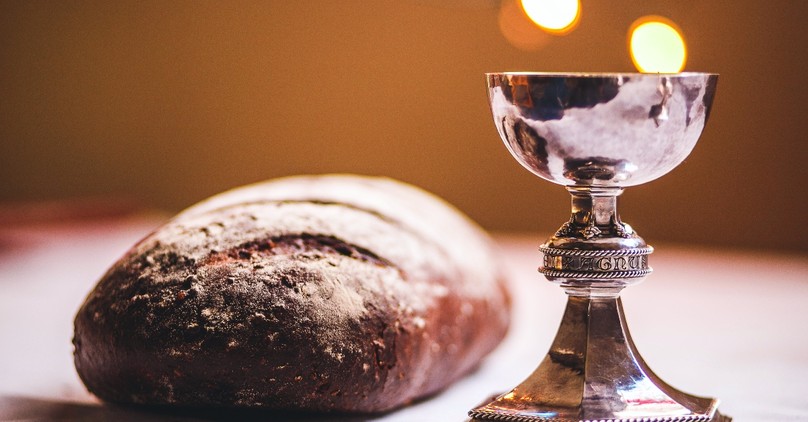
Jesus gave thanks, broke the bread, drank the fruit of the vine, and invited the rest to do the same. Jesus referred to the broken bread as His body, while the fruit of the vine as His blood. These declarations seemed confusing to the apostles, but He was really telling them that these figurative statements would be part of a literal event.
The dinner became even more interesting when Jesus stated that one of them would betray Him. There must have been panic, because they knew the power of Jesus, so they began asking among themselves who it could be. Then, it turned into bickering over rankings from greatest to least. And when Jesus turned to Peter about Jesus’ prayer for his faith to remain strong, that must be another fired shot. Not one of them was spared from continuing to harbor the sinful nature of treachery, worldliness, and denial. One betrayed Christ in exchange for 30 pieces of silver. Everyone wanted to be the boss. Another disowned Christ three times when confronted with their association.
Jesus discussed His imminent departure now, which troubled His disciples. He provided comfort by giving them an overview of His Father’s house, where He will go to prepare a place for them and return to bring them there. As more questions were asked, Jesus patiently explained the way to the Father—Him—and the Holy Spirit, whom He would leave with as their comforter. You can read the entire conversation in John 14.
An Important Lesson Taught
As if the meal and the conversations were not enough to make it memorable that evening, Jesus did one more thing. “He got up from the meal, took off his outer clothing, and wrapped a towel around his waist. After that, he poured water into a basin and began to wash his disciples’ feet, drying them with the towel that was wrapped around him” (John 13:4-5).
It was common practice in their culture to wash guests' feet. When Abraham received the three visitors, he said, “If I have found favor in your eyes, my lord, do not pass your servant by. Let a little water be brought, and then you may all wash your feet and rest under this tree” (Genesis 18:3-4). Lot did the same when two angels arrived in Sodom, “My lords, please turn aside to your servant’s house. You can wash your feet and spend the night and then go on your way early in the morning” (Genesis 19:2).
Refreshed! Imagine dusty sandaled feet, released from leather bonds and now soothed by cold water. And as your feet are wiped and dried, you can feel the cleanliness between your toes, and the towel rubs slowly, easing your tiredness away.
The best feet-washing story, however, was that of a sinful woman who came to Jesus while He was dining at the Pharisee’s house. In front of everyone and “as she stood behind him at his feet weeping, she began to wet his feet with his tears. Then she wiped them with her hair, kissed them and poured perfume on them” (Luke 7:38). There was no water to pour except that which came from her eyes—the tears she shed as she was being cleansed from her own sin. There was no towel to wipe except the woman’s long hair, which was her crown of beauty. And the kiss on the feet must have been a big surprise—the humility of a servant begging for forgiveness. And the perfume? A wonderful Thanksgiving gift from a woman who received new hope and new life in Christ.
A lesson on humility and servanthood for anyone who wanted to follow Jesus. He used this act to teach His disciples how to live and to show them that being great did not mean fighting for glory or recognition but being a servant to others. Their earthly ministry will receive its great reward from the Father in heaven.
Remembering its Significance
Passover is upon us again. In Jewish communities and even in some evangelical churches, Seder meals will be served, emphasizing the symbolism of each item on the menu. But we must remember that this very first celebration was marked by the blood of the sacrificial lamb that was painted on the doorposts, allowing them to be protected from the plague of death passing over Egypt. Salvation came to them, and their eventual departure for the Promised Land came.
When Jesus celebrated the Passover meal with His disciples, they were following the eternal ordinance given by God (Exodus 12:14). But another element expanded on this—the new covenant was established with Jesus as the lamb, the final and ultimate sacrifice. At the cross, His body was broken, and His blood shed to pave the only way for man’s salvation from his sin. His most precious blood will cover anyone professing faith in Jesus and will have a way out of eternal death and a path to eternal life.
There’s something to be said about enjoying a last dinner together. Good or bad, it is usually memorable. You can serve a home-cooked or gourmet meal, and keep that in mind. It can be remarkable because of the conversations, even if they turn out to be out of sorts. But always the company that may no longer sit at a table with you.
With Passover as an eternal ordinance, these words of Jesus should remind us too of what’s to come: “For I tell you, I will not eat it again until it finds fulfillment in the kingdom of God” (Luke 22:16). There is an exclusive invitation to the Passover feast to be celebrated. We, Christ’s bride, should prepare ourselves and be ready to join Him, the Lamb, at His most excellent table, wearing our righteousness (Revelation 19:6-9). But in the meantime, He invited His disciples then and us today to continue the practice and to “do this in remembrance of me” (Luke 22:19).
Photo Credit: ©Unsplash/jhc
Luisa Collopy is an author, speaker and a women’s Bible study teacher. She also produces Mula sa Puso (From the Heart) in Tagalog (her heart language), released on FEBC Philippines stations. Luisa loves spending time with her family over meals and karaoke!


