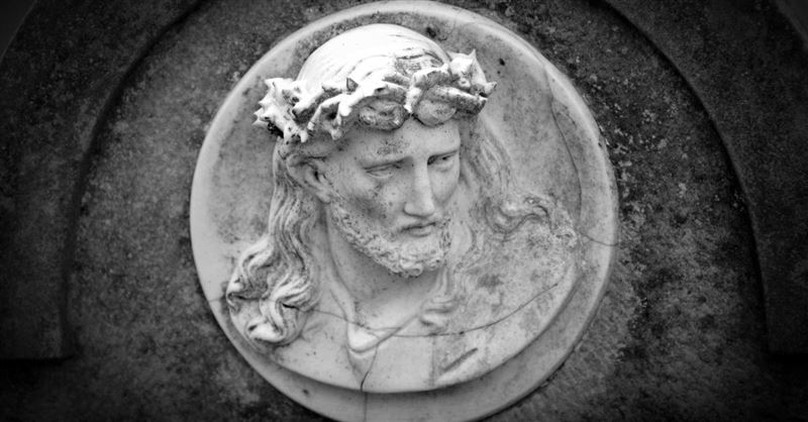
In many English translations, John 11:35 is the shortest verse in the Bible and one of the easiest to memorize.
“Jesus wept.” - John 11:35
Though short, this one verse raises many questions. Why was Jesus weeping? He was God in the flesh. No matter what challenges He faced, he knew how all of this would end. He would be victorious. He would overcome death. He would save the world. So why the tears? Jesus wept at Lazarus’s tomb because He was deeply moved by the grief surrounding Him and the devastation of death, revealing genuine compassion even though He knew Lazarus would soon rise.
Let’s zoom out of this two-word verse to gain a fuller context of what was happening that brought Jesus not only to tears but to weeping.
What Is the Context of Jesus Wept in John 11?
John 11 does not provide one explicit explanation for Jesus’ tears, but the surrounding passage points to His compassion, His deep disturbance at death and unbelief, and the approaching reality of His own death. Toward the end of Jesus’ ministry, word got to Him that one of His dear friends had died. Lazarus, the brother of Mary and Martha, was dead. Jesus was very close to this family. Mary was the woman who anointed Jesus’ feet with ointment and wiped them with her hair (John 11:2). Martha had previously welcomed Jesus into her home, where she became distracted by serving. (Luke 10:38-42)
The sisters were very sorrowful at the passing of their brother, though early on, they still had hope. They knew Jesus personally and knew of the miracles He could perform. They knew He had healed the sick and given sight to the blind. Surely He would raise their brother from the dead.
Get your FREE 8-Day Prayer and Scripture Guide - Praying Through the Holy Week HERE, Print your own copy for a beautiful daily devotional leading up to Easter.
Photo Credit: Pixabay

What Happened Before Jesus Wept?
Once word reached Jesus about Lazarus’ death, the Bible tells us He waited two more days before heading to Judea to see Mary, Martha, and Lazarus. As the days passed, the sisters lost hope. Jesus had not come soon enough. As their hope for their brother’s resurrection faded, their grief grew more and more. Reality set in that their brother was gone, and they believed Jesus had arrived too late to prevent his death. Once Jesus finally arrived, Martha explained:
“Martha said to Jesus, ‘Lord, if you had been here, my brother would not have died.’” - John 11:21
When Jesus met with Mary, she came to the same conclusion:
“Now when Mary came to where Jesus was and saw him, she fell at his feet, saying to him, ‘Lord, if you had been here, my brother would not have died.’” - John 11:32
At this point, people had gathered around Mary and Martha as they mourned their brother's death. When Jesus heard their words and saw the sadness of the people around Him, the Bible tells us He became very moved and wept. The two-word verse highlights the fact that the writer wants us to pause here for a moment. This weeping was not something to gloss over or ignore. It was intentional and packed with meaning.
Why Did Jesus Weep at Lazarus’s Tomb?
The surrounding passage suggests three possible reasons Jesus wept:
Photo Credit: Lightstock

1. Jesus Shared the Grief of Those He Loved
He saw the people's suffering and the pain death causes. Jesus deeply cared about Mary, Martha, and Lazarus. Although He already knew this had happened to glorify God and that, in a few minutes, Lazarus would return to them, He felt their pain. He was empathetic to their loss.
When you genuinely care about someone, when they hurt, you hurt. Jesus’ weeping here shows His true care and love for us. God never takes our pain lightly, even if He knows He will restore everything we’ve lost. Like a good Father, He does not want to see us in pain, even if He knows that pain will lead to a greater good. One of the greatest gifts we can give someone who is hurting is our presence and sharing in their suffering.
There is a Swedish proverb that says: “Shared joy is a double joy. Shared sorrow is half sorrow.”
Jesus wanted to take on their pain, reminding us that no matter what hurts or pains we face in life, Jesus is right here with us. He’s not afraid to meet us in our despair and darkness. He’s the first one to meet us in our valleys. Jesus wept because those He loved wept.
Photo Credit: Thinkstock

2. Jesus Was Troubled by Unbelief and Death
Jesus may also have been deeply troubled by the unbelief, fear, and devastating power of death that He encountered around Him, because of the lack of faith He saw around Him. When Jesus first told His disciples they would head back to Judea, they reminded Him that the last time He was in Judea, He was almost stoned. They were operating in fear and not faith. As they attempted to discourage Jesus from returning to Judea, Jesus responded:
“Then Jesus told them plainly, ‘Lazarus has died, and for your sake, I am glad that I was not there, so that you may believe. But let us go to him.’ So Thomas, called the Twin, said to his fellow disciples, ‘Let us also go, that we may die with him.’” (John 11:14-16)
Jesus intentionally waited to go to Lazarus to bring God glory once Lazarus was raised from the dead. Still, the disciples planned to go to Judea with Jesus to die with Him. As we’ve already read, once Jesus reached Judea, Mary and Martha both lamented that Jesus had not arrived before Lazarus died. Lazarus had been dead for days. There is no way, they believed, he can come back to life. When Jesus told Martha that He would still raise her brother, she reasoned:
“Jesus said to her, ‘Your brother will rise again.’ Martha said to him, ‘I know that he will rise again in the resurrection on the last day.’" (John 11:23-24)
Martha believed Lazarus would one day rise again, but not that day. Jesus reminded her:
“Jesus said to her, ‘I am the resurrection and the life. Whoever believes in me, though he die, yet shall he live, and everyone who lives and believes in me shall never die. Do you believe this?’” (John 11:25-26)
Photo Credit: Lucado

What Do the Tears of Jesus Mean for Us?
Jesus wanted the people to believe in Him. Still, they seemed focused on whether Jesus arrived in Judea on time. They were concerned that Jesus’ timing was too late, as well as that Lazarus was probably starting to smell (John 11:39).
Jesus was grieved because all the answers to their needs were right in front of them, yet they seemed to miss them. They seemed to miss the power of Jesus. This lack of faith made Jesus weep because what He truly wants from us is our faith.
“And without faith it is impossible to please him, for whoever would draw near to God must believe that he exists and that he rewards those who seek him.” (Hebrews 11:6)
The Gospels repeatedly highlight people whose faith Jesus commended, but the few who did all had one thing in common: a bold faith in Him. Jesus wants us to believe in Him – not to make Himself feel better – but because He knows it’s our faith that leads to our salvation, peace, and joy that we can only find in Him.
Photo Credit: Facebook

3. Lazarus’s Tomb Pointed toward Jesus’ Coming Death
Lazarus’s death and restoration to life also foreshadowed Jesus’ approaching death and resurrection, adding another possible layer to this moment. Jesus knew within a short time, He too would die and be placed in a tomb. He knew He would ultimately overcome death and rise from the dead just like Lazarus, but He also knew it would be an extremely difficult road to walk. As His death drew closer, Jesus prayed:
“And he said, ‘Abba, Father, all things are possible for you. Remove this cup from me. Yet not what I will, but what you will.” - Mark 14:36
Jesus expressed profound anguish over the suffering before Him while submitting to the Father’s will, yet He wanted to glorify His Father. We may sometimes weep in this fallen world, but in Jesus, we have a greater hope. Psalm 126:5-6 tells us:
“Those who sow in tears shall reap with shouts of joy. He who goes out weeping, bearing the seed for sowing, shall come home with shouts of joy, bringing his sheaves with him.”
Jesus had to suffer; He had to endure the pain. He entered our suffering and defeated death so that one day sorrow and death will be no more. Revelation 21:4 encourages us in this hope:
“He will wipe away every tear from their eyes, and death shall be no more, neither shall there be mourning, nor crying, nor pain anymore, for the former things have passed away.”
Save this free PDF to your phone, 30 Days of Gratitude Prayer Challenge, and pray for gratitude to grow in your heart!
Frequently Asked Questions about Why Jesus Wept
- Why did Jesus weep if He knew Lazarus would rise?
Jesus wept because knowing the joyful outcome did not make the grief, suffering, and devastation of death insignificant. His tears reveal that He genuinely entered the sorrow of those He loved. - What does “Jesus wept” mean in John 11:35?
“Jesus wept” shows Christ’s genuine compassion and humanity. He was deeply moved by Mary’s grief, the mourning around Him, and the reality of death before raising Lazarus. - Was Jesus crying because Lazarus died?
Jesus’ tears were connected to Lazarus’s death, but the surrounding passage suggests a broader response to grief, death, and the spiritual misunderstanding around Him. Scripture does not identify only one reason. - How does Jesus weeping comfort Christians who are grieving?
Jesus’ tears show that grief is not a failure of faith and that God does not remain emotionally distant from human suffering. Christians can grieve honestly while retaining hope in the resurrection.
A Guided Next Step in Prayer
Turn reflection into a daily prayer rhythm with nine prayers and journal pages created to help you draw closer to God.
Download the prayer journal and continue your time with God.
Photo credit: Rodolfo Clix / Pexels
SHARE


Originally published Tuesday, 01 September 2026.


