
What it Means That God Is Our Fortress
By: Noelle Kirchner
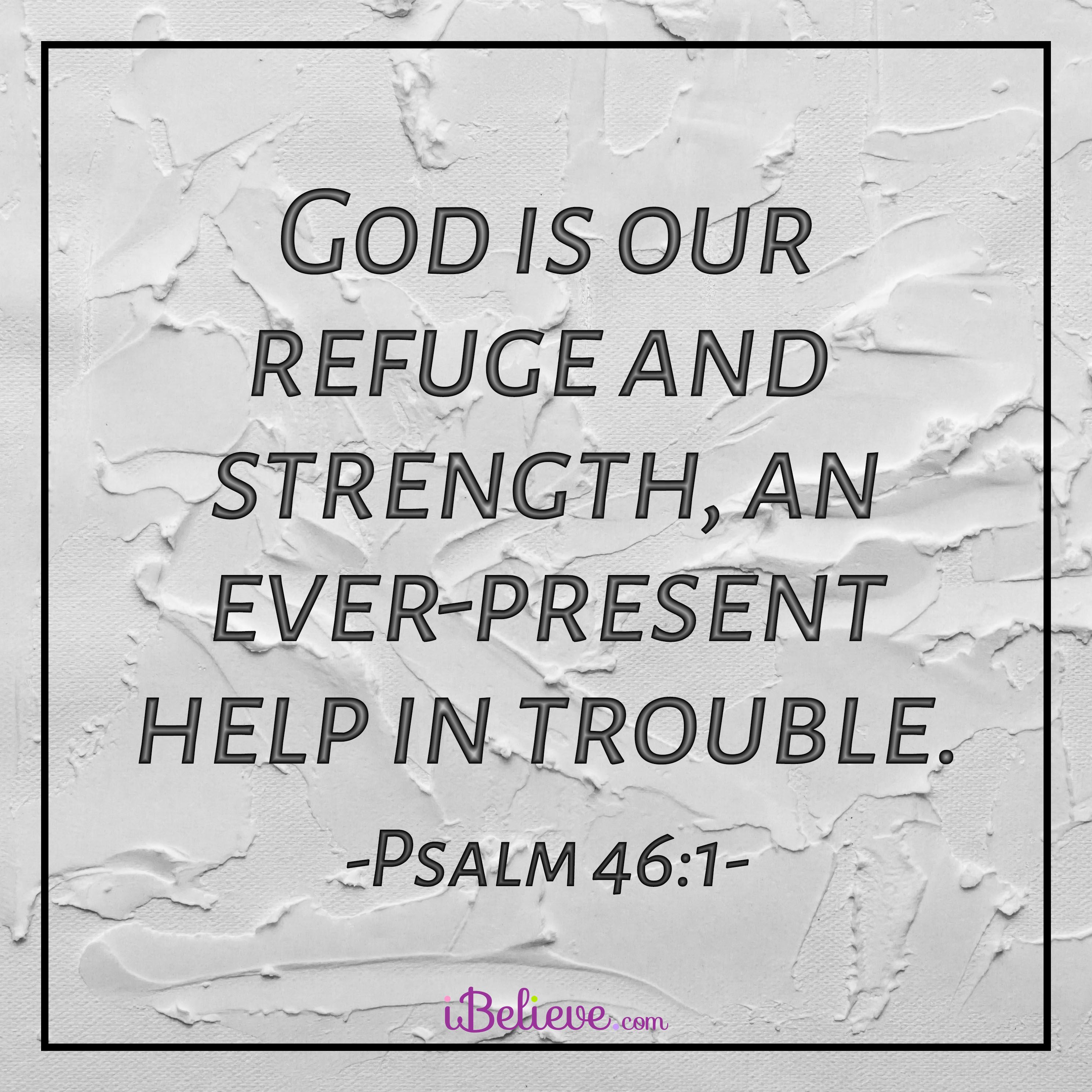
Psalm 46 begins famously with words that inspired Martin Luther’s age-old and beloved hymn, “A Mighty Fortress is Our God.” God indeed is a refuge, and to underline that fact, the Hebrew word for refuge functions as a kind of refrain in the psalms, repeating over twenty times throughout its early chapters. - Psalm 46:1-3
God’s ability to serve as a refuge is demonstrated in this chapter particularly by its mention of mountains. Mountains were essential to stability according to the ancient Near Eastern view of the universe: They not only anchored the dry ground from watery chaos, but they also held up the sky. The psalmist is painting a picture of ultimate doom by describing the mountains as “falling into the heart of the sea” and “quaking.”
It is amidst total disaster that the psalmist surprisingly affirms that “we will not fear.” This assurance is based upon the strength of the people’s refuge in God. God is present and actively working on the people’s behalf. In other words, God can be trusted.
When I think of God as a refuge or fortress, I envision an old stone one. In ancient times, high stone walls kept cities safe by protecting people from their enemies. The stone was sturdy, dependable, and impenetrable. It kept the good in and the bad out.
While we don’t build stone fortresses so much today, I still run across stones on a regular basis. As a mother of boys, doing laundry is a bit like a fishing expedition. When I dig through pockets, I often find a myriad of things like food wrappers, golf tees, and rocks. The rocks that my boys keep are special in some way. They serve a function, whether it be through their unique appearance, shape, or size.
Adults sometimes collect rocks too. Gift shops often stock rocks that have one word chiseled upon them—words like “Trust,” “Believe,” and “Hope.” These rocks serve a function by reminding their owner at poignant times to do just that.
One time when I was going through a particularly dark and challenging time in my life, I looked down and found a smooth rock in the shape of a heart. Immediately, I was reminded of God’s love for me. I picked up the rock and squeezed it when I needed to feel God’s strength. The rock helped me keep the good in.
I also remember going on a mission trip in my youth when my youth leader encouraged me to pick up a rock. I was going through a difficult time then as well. He told me to pray my concern into the rock and then throw the rock as far as I could away from me. That action demonstrated my willingness to give my concern to Jesus and not carry it anymore. The rock helped me keep the bad out.
God is still a fortress today. Just like those old ancient city walls, the citadel walls of Jesus can help us keep the good in and the bad out. Envision that stone surrounding you today and meeting you in your time of trouble. As the psalmist testifies, God can be trusted.
Rev. Noelle Kirchner, MDiv., believes we don’t have to live with full schedules and thin souls. A busy mom of three boys, she is passionate about making faith fresh and relevant. Noelle is a graduate of Princeton Seminary and an ordained Presbyterian minister who has served in churches for over ten years. She has written for places like the TODAY Show Parenting Team, Huff Post Parents, The Laundry Moms, and (in)courage. Her faith and family cable television show, Chaos to Calm, features parenting hot topics and has hosted two New York Times bestselling authors. Watch her episodes or sermons, connect with her on social media, and follow her blog by visiting her website, or receive her free devotional e-book here.
Related Resource: The Blind Spots Hurting Your Relationships
In this episode of I Wish You Could Hear This, Shaunti and Jeff Feldhahn sit down with licensed professional counselor and bestselling author Debra Fileta for an honest and insightful conversation about the relationship blind spots many of us don’t realize we have. Together, they explore how emotional patterns, past wounds, and unrecognized habits can quietly shape the way we connect with others.
Debra shares practical wisdom on how to grow in self-awareness, strengthen communication, and take ownership of the ways we impact the people we love. Whether you’re dating, married, leading others, or simply wanting healthier relationships, this episode offers hope-filled tools to help you break unhealthy cycles and build deeper connection.
If you’ve ever wondered why relationships can feel harder than they should—or how to become a healthier version of yourself—this conversation is for you. Like what you hear? Be sure to follow I Wish You Could Hear This on Apple or Spotify so you never miss an episode!
Like what you hear? Be sure to follow I Wish You Could Hear This on Apple or Spotify so you never miss an episode!
Originally published Wednesday, 30 November 2022.
SHARE


