Summer brings all kinds of opportunities to get out of our routines and do something different. Going on vacation, spending the day at a museum, or going to the beach. This is also a great time to teach children about God’s creation as you explore different places.
Why Summer Is a Wonderful Time to Explore God’s Creation
Summer is a great time to explore God’s creation because it’s easier to see. It has a special way of opening our eyes, as the days are longer, the skies are brighter, and nature beckons us to come outside.
Flowers we’ve planted bloom in bright colors, birds sing all day long, the warm sun makes us want to linger outside and admire God’s creation, from the bright green grass to the brightly colored butterflies flitting around.
Whether we are on a nature hike through the forest, gliding in a boat on the lake, or watching the stars at night, summer offers an endless opportunity to explore and enjoy God’s creation.
Noticing God’s Design in Nature’s Small Details
Nature has a way of communicating without words. It reveals itself through patterns, rhythm, balance, and interdependence. A single ecosystem seems simple at first, but when we look closer, it becomes incredibly complex. The smallest systems' intricate weaving supports everything else.
This shows that our creator is not distant or indifferent but attentive to detail. Some ways we can see God’s work in the smallest details are;
● The design of leaves, with their many veins that branch from a single stem, distributes water and nutrients with great precision. Their surfaces capture sunlight, which turns into energy through processes so intricate that scientists study them with fascination.
● No two snowflakes are exactly alike, yet they display the same symmetry and structure.
● Seeds look dry and lifeless, but on the inside, there is potential for roots, stems, leaves, fruit, and more seeds. It enters a waiting period before life emerges, much like our spiritual growth.
Notice the minor details as you go on hikes and nature walks this summer.
Fun Outdoor Activities That Point Children to Creation
There are all kinds of fun activities you can do with your children this summer that point to creation.
● Nature scavenger hunts, which will help them notice variety in creation, like no two leaves are alike, rocks come in different shapes and textures, and flowers have different forms and colors.
● Cloud watching
● Leaf collection and comparison
● Bird watching
● Insect observation
● Water play and stream exploration
● Garden planting
● Watching the sunset or sunrise
● Building with materials from nature
● Stargazing
These are all fun, free activities you can do with kids while teaching them about creation.
Teaching Gratitude for the World God Made
Gratitude is more than being polite and having good manners. It opens our eyes to beauty, provision, and purpose. When we teach our kids to be grateful for the world God has made for us, we help them recognize that creation is a gift and that they should respond with praise, stewardship, and joy. Teaching our children about gratitude and the importance of being grateful for what they have is an act of worship.
Why Gratitude Matters
The truth that everything we have comes from God is the root of gratitude. Learning about gratitude helps kids learn about humility. They learn that life is a gift, not something they created themselves.
Gratitude also shapes character. People with thankful hearts are more content, more generous, and more resilient. Children who learn to thank God for daily blessings often carry that habit into adulthood. Most importantly, gratitude helps us look outward and upward. Instead of focusing on ourselves, we focus on the giver of these gifts and focus on others.
Gratitude begins with wonder about the world, and it teaches us to slow down. Here are some questions to ask your kids to help them slow down and appreciate the world around them.
● What is something beautiful you noticed today?
● What in creation makes you want to say thank you?
● How do you see God’s care in the world around you?
These will help them connect what they observe with the God who made it.
Using Bible Stories to Highlight God as Creator
There are many Bible stories you can introduce your kids to that focus on God as the creator of all.
● The story of Adam and Eve
● The story of Noah’s Ark
● Abraham’s story
● The Exodus story
● Stories about the wilderness
● The Psalms
● The book of Job
● The Prophets (Isaiah, Jeremiah, Ezekiel)
● Revelation (the new heaven and earth)
I recommend picking up a children’s Bible appropriate for your child’s age so they can understand these stories in a more age-appropriate way.
Helping Children Care for Plants, Animals, and the Earth
Take the time to teach children how to care for plants, animals, and the Earth. This will help them in the following ways;
● Builds compassion and responsibility.
● Encourages observation and patience.
● Supports emotional growth by caring for living things.
● Teaches them cause and effect.
● Creates healthy habits that benefit communities and nature.
Helping Children Care for Plants
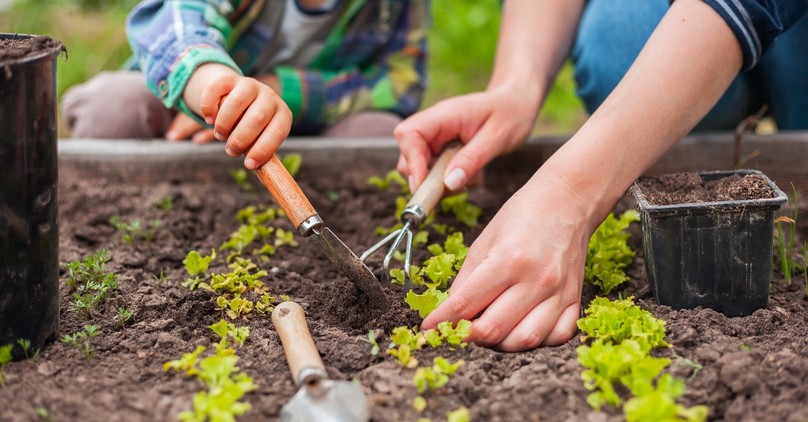
Start with easy-to-care-for plants like beans, sunflowers, basil, mint, etc. Add a small pot, a sunny windowsill, a regular watering can, and your sage advice, and you'll create a rich learning experience. Teach them all the things a plant needs to thrive, including sunlight, water, soil, air, and space to grow. Give your children or grandchildren age-appropriate tasks and help them when they need it.
Caring for Animals
Teaching your children to care for animals will foster empathy more quickly than anything else. Regardless of whether they are helping you with your pet, watching wildlife, or learning about farm animals, teaching respect is key.
Start by teaching gentle interaction and that animals are not toys. They need calm voices, gentle hands, and plenty of space when they eat. Teach them to;
● Approach slowly.
● Always ask before petting someone else’s animal.
● Avoid chasing or startling animals.
● Always wash their hands after petting or visiting animal areas.
● Respect boundaries, even if an animal seems friendly.
If your family has pets, let your kids help with age-appropriate activities such as filling the water or food bowl (with supervision), gently brushing a dog or cat’s fur (if tolerated on the latter), helping an adult clean sleeping areas, and making sure the animal has fresh bedding or toys. Teenagers can help with more complex tasks, such as cleaning up yard waste, taking the dog for a walk, or helping bathe a dog.
Teach them to observe wildlife from a distance and avoid making loud or strange noises. Teach them to avoid disturbing nests or burrows, to feed a wild animal only with adult guidance, and to understand that even the smallest animal plays a part in our ecosystem.
Helping Children Care for the Earth
Teach children that everyday choices affect the environment and that they are part of a larger community of people, plants, animals, and the environment, so the choices we make affect everyone. Some ways they can help the earth are through simple habits like;
● Turn off the lights when they leave a room.
● When coloring, use both sides of the paper
● Recycling properly.
● Conserving water while brushing their teeth.
● Picking up litter.
These are all important things to teach our children so they can take better care of God’s creation.
Wonder and Curiosity: Encouraging Kids to Ask Creation Questions
Creation is full of neat things to inspire wonder in your kids, so always encourage them to ask questions. Let them know it doesn’t matter whether it's simple or complicated; you will do your best to help them find the answer they are seeking.
Creating Family Traditions Around Summer Nature Exploration
As you explore different aspects of nature this summer, from the forest to the mountains to the beach, pay attention to which experience your family loves best. Think about the different activities you take part in, and which ones your family thought were okay, and which ones you loved and would do again. This will help you create some family traditions each summer when you explore nature in the same or different areas on vacation.
You can even create family traditions at home, including;
● First day of summer walk.
● Weekly ‘Wonder Walks’ (focus on observing what’s around you, like plants, insects, clouds, etc.).
● Sunset or stargazing nights.
● An annual nature treasure hunt.
● Visits to summer wildflowers or gardens, including botanical gardens, native plant trails, and public gardens.
● Creek, lake, or beach day rituals
● Nature journaling together
● Camping in the backyard or a nearby park.
These are all fantastic ideas for summer family traditions.
Praying and Praising God for His Beautiful Creation
Gather at sunrise or sunset and thank God for all he has created for you to enjoy. Or, when you see something you like, like a beautiful flower or a butterfly, thank God right away.
In our busy world, it’s easy to miss all the things God has created for us. By slowing down and teaching our kids about these things, we can live more appreciatively and observantly.
Photo Credit: ©iStock/Getty Images Plus/perfectlab


